Что Вы ищете
?

Что делает объектив автомобильной камеры хорошим?
May 29, 2026Выбор объектива для автомобильной камеры – это не просто поиск объектива, способного создавать изображение. Для применения в автомобильных камерах хороший объектив должен обеспечивать стабильное качество изображения, подходящее поле зрения, надежную конструкцию, устойчивость к воздействию окружающей среды и долгосрочную стабильность работы.
Автомобильные камеры широко используются в системах заднего вида, системах кругового обзора, камерах переднего вида, камерах ADAS, системах DMS, OMS, CMS, системах помощи при парковке и видеорегистраторах. Каждое приложение предъявляет разные требования к оптическим характеристикам и механической конструкции.
Итак, что же делает объектив автомобильной камеры хорошим? Ответ зависит от конструкции модуля камеры, сценария применения, датчика, поля зрения, разрешения, структуры и требований окружающей среды.
Первый шаг к выбору автомобильный объектив камеры понимание сути приложения.
В транспортных средствах могут использоваться объективы для камер заднего вида, камеры кругового обзора и камеры контроля за водителем, но их оптические требования не одинаковы.
Например:
Выбор хорошего автомобильного объектива для фотоаппарата должен основываться на реальных задачах, а не на использовании одного универсального объектива для всех проектов.
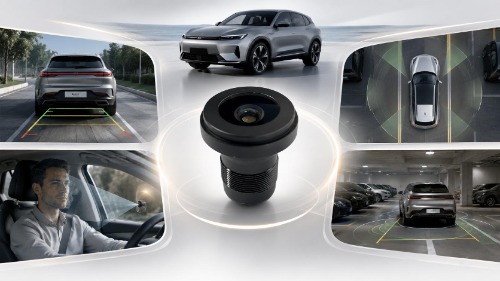
Угол обзора — одна из важнейших характеристик автомобильных объективов. Он определяет, какую площадь может захватить камера.
Однако более широкий угол обзора не всегда означает лучшее качество.
Если поле зрения слишком узкое, камера может не захватить достаточно информации об окружающей обстановке. Если поле зрения слишком широкое, искажение изображения и качество контуров могут стать более сложными для контроля.
Хороший автомобильный объектив для фотоаппарата должен обеспечивать подходящее поле зрения для конкретного применения, сохраняя при этом приемлемую четкость изображения и минимизируя искажения.
Например:
| Приложение | Типичные соображения относительно поля зрения |
|---|---|
| Камера заднего вида | Достаточно широкая, чтобы покрывать пространство позади автомобиля. |
| Камера кругового обзора | Сверхширокоугольный объектив с хорошими характеристиками по краям. |
| Фронтальная камера | Сбалансированный угол обзора и четкость изображения на большом расстоянии. |
| DMS-камера | Обеспечивает надлежащую защиту лица и верхней части тела водителя. |
| Камера OMS | Более широкое покрытие салона |
| Камера CMS | Устойчивая боковая и задняя обзорная зона |
Оптимальное поле зрения следует определять в соответствии с конструкцией системы автомобильных камер, а не только исходя из внешнего вида объектива или общих технических характеристик.
Многие автомобильные объективы для фотоаппаратов требуют широкоугольной конструкции. Однако широкоугольные объективы часто приводят к искажениям, особенно по краям изображения.
В приложениях для автомобильных видеокамер чрезмерные искажения могут ухудшить визуальное восприятие и снизить удобство использования изображения. Например, линии разметки парковки, окружающие объекты, края дороги и обстановка вокруг автомобиля могут выглядеть менее точно, если искажения плохо контролируются.
Для систем кругового обзора особенно важны низкий уровень искажений и стабильная четкость изображения по краям, поскольку изображения с нескольких камер могут потребовать обработки или сшивания.
Хороший автомобильный объектив для камеры должен обеспечивать баланс между широким углом обзора и контролем искажений. Он должен способствовать созданию более естественной и удобной для использования структуры изображения для модуля камеры.
Во многих проектах модулей камер используются сенсоры с разрешением 2 Мп, 5 Мп, 8 Мп и выше. Однако высокое разрешение сенсора не гарантирует автоматически высокое качество изображения.
Если объектив не соответствует оптическим требованиям сенсора, качество конечного изображения может оставаться ограниченным.
При выборе автомобильного объектива для камеры покупателям следует учитывать следующие факторы:
Качественный объектив автомобильной камеры должен обеспечивать правильную работу датчика. Объектив и датчик должны работать вместе как часть единой системы модуля камеры.
Некоторые объективы могут демонстрировать хорошее качество изображения в центре, но худшие характеристики по краям. В автомобильной промышленности это может стать проблемой.
В системах заднего вида, кругового обзора, системах управления автомобилем и системах помощи при парковке краевая область изображения может содержать важную визуальную информацию. Если краевое изображение размыто или искажено, это может повлиять на общую производительность камеры.
Качественный объектив для автомобильной камеры должен обеспечивать стабильное качество изображения по всей площади кадра, а не только в центре.
Это особенно важно для широкоугольные автомобильные объективы для фотокамергде необходимо учитывать четкость краев, контроль искажений и согласованность изображения.
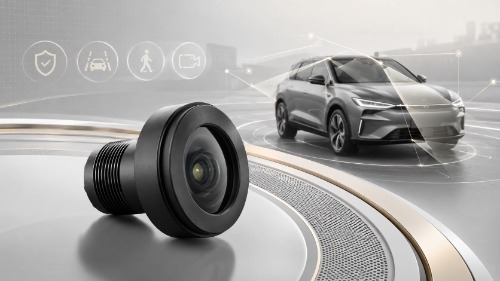
Условия эксплуатации в автомобильной промышленности более требовательны, чем во многих областях применения бытовой электроники. Линза, используемая в автомобиле, может подвергаться перепадам температуры, вибрации, влажности, пыли, воздействию воды и длительной эксплуатации.
Для наружных камер, таких как камеры заднего вида, камеры кругового обзора, камеры бокового обзора и парковочные камеры, могут потребоваться водонепроницаемость и пылезащита. Внутренние камеры, такие как DMS и OMS, могут уделять больше внимания характеристикам ИК-подсветки, съемке в условиях низкой освещенности и стабильному качеству изображения на близком расстоянии.
В зависимости от проекта, требования к автомобильным линзам могут включать в себя следующее:
Качественный объектив для автомобильной камеры должен быть разработан и оценен с учетом реальных условий эксплуатации системы автомобильной видеокамеры.
Объектив автомобильной камеры — это не только оптический компонент. Он также должен соответствовать структуре модуля камеры.
Для разных проектов могут потребоваться различные конструкции линз, такие как M7, M8, M9, M10, M12, конструкция AA или индивидуальные механические решения.
Подходящая структура зависит от:
Для производителей модулей камер выбор объектива с подходящей механической конструкцией может помочь повысить эффективность сборки и осуществимость проекта.
Качественный объектив для автомобильной камеры должен соответствовать как оптическим требованиям, так и механической конструкции модуля камеры.
Для проектов по созданию автомобильных камер качественный образец — это только начало. Клиентов также волнует, сможет ли объектив сохранять стабильное качество при массовом производстве.
Для автомобильных проектов обычно требуется долгосрочное сотрудничество, стабильные поставки, контроль качества и неизменно высокие оптические характеристики от партии к партии.
К важным факторам относятся:
Хороший поставщик автомобильных объективов для фотоаппаратов должен обеспечивать не только выбор объективов и оценку образцов, но и стабильное серийное производство и управление качеством.
Когда покупатели оценивают автомобильный объектив для фотоаппарата, они также оценивают и поставщика этого объектива.
В автомобильных проектах возможности поставщиков могут напрямую влиять на эффективность проекта, надежность продукции и долгосрочное сотрудничество.
Надежный поставщик автомобильных линз должен обладать следующими характеристиками:
Компания Wintop Optics имеет сертификаты TS16949 и ISO, а также опыт работы над проектами по разработке автомобильных линз. Эти возможности помогают обеспечить контроль качества, стабильность производства и оценку линз на основе проектов для заказчиков, использующих модули автомобильных камер.
Оптика Wintop Компания предлагает решения для автомобильных камер, предназначенные для различных применений в автомобильной видеотехнике, включая камеры заднего вида, камеры кругового обзора, камеры переднего вида, CMS, DMS, OMS, камеры ADAS, камеры помощи при парковке и другие модульные проекты камер.
Мы поддерживаем различные варианты конструкции линз, включая решения M7, M8, M9, M10, M12 и AA. В соответствии с требованиями проекта заказчика мы можем помочь оценить соответствие сенсора, поле зрения, разрешение, конструкцию, условия применения и потребности в оптических характеристиках.
Если вы ищете решение для автомобильной камеры, пожалуйста, пришлите нам информацию о вашем проекте, включая модель сенсора, размер сенсора, поле зрения, разрешение, тип конструкции, рабочее расстояние и сценарий применения. Наша команда поможет вам подобрать подходящее решение для вашего проекта по созданию модуля камеры.
Телефон/WhatsApp: +86 15302689906
Электронная почта: yorty@yuntal.com
Для выбора подходящего объектива для автомобильной камеры необходимо учитывать область применения, модель сенсора, размер сенсора, поле зрения, разрешение, рабочее расстояние, тип конструкции и условия эксплуатации. Различные области применения автомобильных камер требуют различных конструкций объективов, поэтому выбор объектива должен основываться на конкретном проекте модуля камеры.
Нет. Более широкое поле зрения позволяет захватить больше информации об окружающей обстановке, но также может привести к большему искажению и проблемам с отображением краев. Оптимальное поле зрения должно соответствовать требованиям приложения, сохраняя при этом приемлемое качество изображения, контроль искажений и согласование с датчиком.
Низкий уровень искажений помогает сохранить структуру изображения более естественной и удобной для использования. Это важно для таких приложений, как камеры заднего вида, системы кругового обзора, системы помощи при парковке и системы распознавания изображений. Для широкоугольных автомобильных объективов контроль искажений следует рассматривать в совокупности с полем зрения и четкостью контуров.
Не всегда. Подбор объектива и сенсора зависит от размера сенсора, диаметра изображения, разрешения, CRA, поля зрения и механической конструкции. Даже если два сенсора имеют схожее разрешение, для них могут потребоваться разные конструкции объективов. Предоставление технических характеристик сенсора может помочь инженерам оценить, подходит ли тот или иной объектив.
Выбор подходящей конструкции линзы зависит от размера модуля камеры, метода сборки, оптических требований и условий эксплуатации. В зависимости от потребностей проекта можно рассмотреть конструкции M7, M8, M9, M10, M12 и AA. Для компактных модулей могут потребоваться конструкции меньшего размера. Для более точной настройки или специфических требований к сборке можно рассмотреть конструкцию AA.
Это зависит от области применения. Внешние автомобильные камеры, такие как камеры заднего вида, камеры кругового обзора, камеры бокового обзора и парковочные камеры, часто должны обладать водонепроницаемостью и пылезащитой. Внутренние камеры, такие как DMS и OMS, могут больше ориентироваться на ИК-подсветку, съемку в условиях низкой освещенности и работу на ближних расстояниях.
Да. Компания Wintop Optics может помочь оценить варианты объективов в соответствии с вашей моделью сенсора, полем зрения, разрешением, конструкцией, рабочим расстоянием и требованиями к применению. Мы поддерживаем различные конструкции объективов для автомобильных камер, включая решения M7, M8, M9, M10, M12 и AA.
Каждый проект автомобильной камеры предъявляет различные оптические и конструктивные требования. Независимо от того, для чего вы используете камеру — для заднего вида, кругового обзора, переднего вида, CMS, DMS, OMS, ADAS или системы помощи при парковке — выбор объектива должен основываться на фактической конструкции модуля камеры.
Компания Wintop Optics предлагает решения для автомобильных камер, включающие объективы различной конструкции и оценку на основе конкретных проектов.
Сообщите нам модель вашего сенсора, поле зрения, разрешение, конструкцию, рабочее расстояние и требования к применению. Наша команда поможет подобрать подходящее решение по объективу для вашего проекта.
Телефон/WhatsApp: +86 15302689906
Электронная почта: yorty@yuntal.com
ТЕГИ :
 Подпишитесь на наши информационные бюллетени
Тел. : Overseas contact Lina : 86 153-0268-9906
Overseas emial : yorty@yuntal.com
WhatsApp : +86 153-0268-9906
E1108, Jinbolong Building, Longhua, Shenzhen,Guangdong, China


Friendly Links :
whatsappАвторские права © 2026 WINTOP OPTICS CO., LTD.. Все права защищены .粤ICP备2025439823号-1
 IPv6 network supported.